
Weddings often require participants to spend many hours standing, walking, dancing, lifting equipment, or remaining mentally focused, making physical fatigue a common experience after the celebration. Couples, bridesmaids, groomsmen, photographers, videographers, coordinators, musicians, caterers, and venue staff may all experience muscle soreness and reduced energy after an event that can easily last twelve hours or longer. Research published by the American College of Sports Medicine shows that prolonged physical activity can contribute to muscle fatigue, emphasizing the importance of appropriate recovery practices based on individual needs.
Many people explore different recovery strategies after demanding celebrations, ranging from simple stretching to massage and ice bath recovery. Each approach offers potential benefits while presenting different practical considerations. Rather than assuming one method is universally better, experts from the Mayo Clinic and the National Institutes of Health encourage choosing recovery techniques that match a person’s overall health, physical activity level, and comfort.
Why Weddings Can Be Physically Demanding
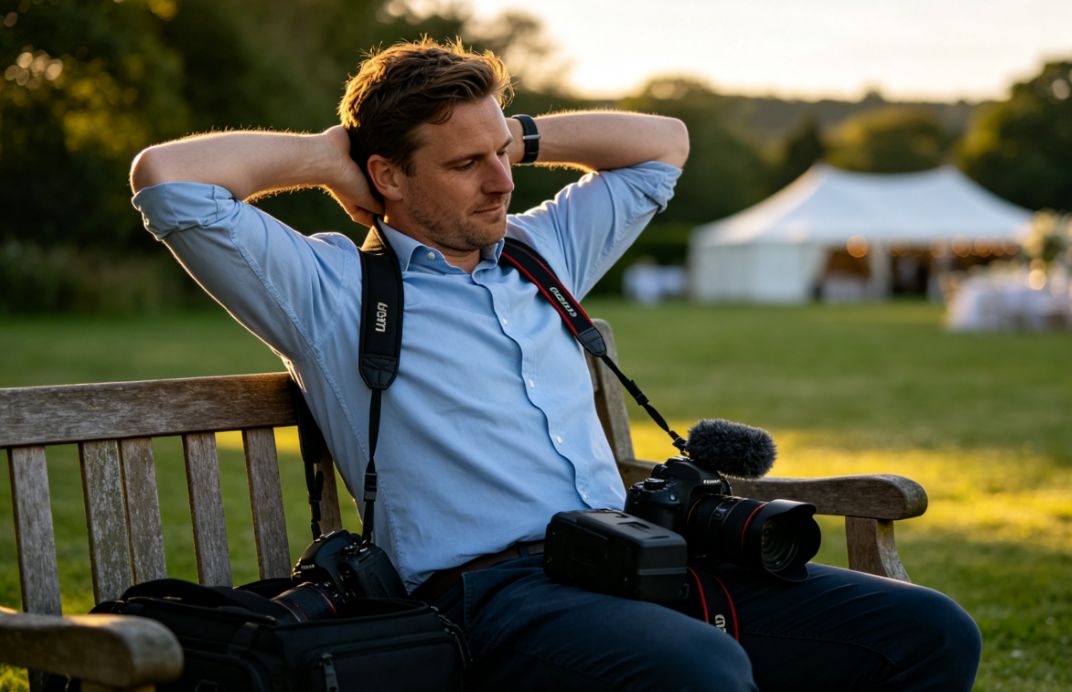
Wedding days involve much more than the ceremony itself. Couples often begin preparations early in the morning and continue celebrating late into the evening. Wedding photographers may carry heavy camera equipment while constantly changing positions. Event planners frequently walk several miles while coordinating schedules, managing vendors, and solving unexpected problems. Hospitality staff remain active throughout meal service and cleanup.
Reports from the Centers for Disease Control and Prevention explain that prolonged standing, repetitive movements, and insufficient rest may contribute to temporary muscle discomfort and fatigue. While these effects usually improve within a day or two, thoughtful recovery can help individuals return to normal activities more comfortably.
Comparing Popular Recovery Methods
Stretching
Gentle stretching is one of the most accessible recovery techniques. Light movement helps maintain flexibility and may reduce feelings of stiffness after long periods of standing or dancing. Studies published in the Journal of Strength and Conditioning Research suggest that stretching may improve flexibility and comfort, although its direct effect on reducing delayed muscle soreness remains limited.
The main advantage is convenience. Stretching requires little equipment and can be performed almost anywhere. However, aggressive stretching on already sore muscles may cause additional discomfort, making gentle movements the better option.
Hydration
Long celebrations often involve warm environments, dancing, and limited opportunities to drink water. Replacing fluids afterward supports normal body functions and helps compensate for fluid losses. Guidance from the World Health Organization and the Academy of Nutrition and Dietetics highlights hydration as an essential component of recovery after extended physical activity.
Hydration alone does not eliminate muscle soreness, but it supports overall recovery, particularly when combined with balanced meals that replenish energy stores.
Massage
Massage is commonly chosen by individuals seeking relaxation after physically demanding events. Research published in the British Journal of Sports Medicine indicates that massage may provide modest reductions in perceived muscle soreness while promoting relaxation and improving overall well-being.
The primary limitation is accessibility. Professional massage appointments require scheduling, involve additional cost, and may not always be available immediately after a wedding. Some people also prefer lighter self-massage techniques using foam rollers or massage balls instead.
Adequate Sleep
Sleep remains one of the most effective natural recovery tools. During sleep, the body performs many restorative processes related to muscle repair, hormone regulation, and cognitive recovery. The Sleep Foundation and findings published by the National Institutes of Health consistently identify quality sleep as a key factor supporting physical and mental recovery after strenuous activity.
The challenge is that newly married couples or event professionals often travel immediately after celebrations or begin cleanup activities early the following morning. Even so, prioritizing sufficient rest when possible generally benefits recovery more than relying on a single specialized technique.
Cold Water Immersion
Cold water immersion has become increasingly popular among athletes and wellness enthusiasts. Some individuals use chilled tubs or similar equipment after physically demanding activities because cooling may temporarily reduce feelings of soreness and discomfort. Reviews published in the Cochrane Library have found that cold water immersion may provide short-term relief from muscle soreness for some people after intense exercise.
However, evidence remains mixed regarding its overall effectiveness for everyone. Researchers continue studying the ideal temperature, duration, and situations where cold exposure provides the greatest benefit. Individuals with certain cardiovascular conditions or sensitivity to cold should consult healthcare professionals before attempting this type of recovery.
Are Intensive Recovery Techniques Necessary?
Opinions differ regarding whether intensive recovery methods are appropriate after a single day of celebration. One perspective suggests that weddings rarely involve the same physical demands as competitive sports. For many attendees, simple habits such as drinking water, eating balanced meals, taking a warm shower, and sleeping well may be entirely sufficient.
Another viewpoint recognizes that some participants experience workloads closer to endurance events. Wedding photographers may carry equipment weighing several kilograms throughout the day. Event coordinators may remain on their feet for more than twelve consecutive hours. Catering teams and venue staff often perform repetitive lifting and carrying. For these individuals, combining multiple recovery strategies may improve overall comfort.
The American Physical Therapy Association notes that recovery needs vary considerably between individuals because age, fitness level, previous injuries, and overall health all influence how the body responds to prolonged activity.
Choosing Recovery Based on Individual Needs
Recovery routines should reflect personal circumstances instead of following popular trends. Someone who danced throughout the reception may simply benefit from hydration and a full night’s sleep. A professional photographer working an entire wedding weekend might prefer combining stretching, balanced nutrition, gentle walking, and additional recovery practices over several days. Exploring wellness habits that support relaxation and recovery can also provide ideas for building balanced routines that encourage both physical recovery and mental well-being after demanding events.
Listening to the body’s signals is equally important. Persistent pain, swelling, dizziness, or symptoms lasting several days deserve medical evaluation rather than repeated self-treatment. Guidance from the National Institute of Arthritis and Musculoskeletal and Skin Diseases encourages individuals to seek professional advice when symptoms appear unusual or severe.
Practical Considerations Before Choosing a Recovery Method
- Consider how easily the method fits into your schedule after the event.
- Evaluate any equipment or professional assistance that may be required.
- Account for existing medical conditions before trying more intensive approaches.
- Balance cost with expected benefits.
- Choose methods that feel sustainable rather than following temporary wellness trends.
Building a Sustainable Post-Wedding Recovery Routine
Recovering from a physically demanding wedding does not require an elaborate plan. For many people, a combination of hydration, nutritious meals, light stretching, comfortable sleep, and gradual movement provides an effective foundation. Others whose responsibilities involve extended physical effort may choose additional techniques that align with their personal preferences and health considerations.
Balanced recovery is ultimately about consistency rather than intensity. Weddings create memorable experiences, and a thoughtful recovery routine helps couples, guests, creative professionals, and event staff return comfortably to their everyday responsibilities. Selecting methods based on individual comfort, physical demands, accessibility, and sound evidence offers a practical path toward feeling refreshed after long celebrations.